
Business efficiency is often associated with better software, faster equipment, or improved employee training. While those investments can make a difference, one important part of the operation is often overlooked: storage.
The way a business stores its tools, equipment, materials, and inventory can affect nearly every part of the workday. When items are difficult to find or spread across multiple locations, employees lose time, vehicles become crowded, and purchasing decisions become harder to manage.
Better storage is not simply about creating more room. It is about creating a system that helps the business work more consistently.
Look at How Storage Affects the Workday
Storage problems are not always obvious. A business may have enough physical space, but that does not mean the space is helping employees work efficiently.
Consider what happens at the beginning and end of an average workday. Are employees spending time searching for equipment? Do crews have to move boxes or materials to reach the items they need? Are vehicles being used as permanent storage because there is nowhere else to keep supplies?
Small delays may not seem significant on their own, but they add up over time. Ten minutes spent searching for a tool across several employees and several workdays can quickly become hours of lost productivity.
A better storage system should make common tasks easier, not create additional steps.
Keep Frequently Used Items Easy to Reach
Not every item needs to be stored in the same way.
Tools, materials, and inventory used every day should be placed where employees can reach them quickly. Seasonal supplies, extra stock, and specialty equipment can be kept farther from the main access area.
Organizing storage based on frequency of use helps reduce unnecessary movement. Employees do not have to sort through rarely used items every time they prepare for a job or fulfill an order.
A simple setup may include:
- A front area for daily equipment
- Dedicated shelving for commonly used materials
- Clearly marked sections for active jobs
- Separate space for seasonal or backup inventory
- A designated area for damaged items or repairs
The layout should reflect how the business actually operates rather than how the items happen to fit into the room.
Create One Central Place for Business Storage
Many small businesses gradually spread their storage across garages, work vehicles, rented units, and active job sites. This often happens without a clear plan as the business grows. Although using several spaces may solve an immediate problem, it can make daily operations more complicated. Employees may not know where a specific item is stored, and business owners may lose visibility into available inventory.
Creating a central storage location makes it easier to manage equipment and materials. It gives employees one dependable place to return items, prepare for upcoming work, and check what is available.
For contractors and service companies, this central location can become a home base between job sites. For product-based businesses, it can provide a consistent place to receive, organize, and prepare inventory.
Reduce Duplicate and Unnecessary Purchases
Disorganized storage can lead to unnecessary spending. When employees cannot quickly find an item, it may be easier to purchase another one. Over time, the business can accumulate duplicate tools, excess materials, and inventory that was reordered even though stock was already available.
A clear storage and inventory system gives business owners a more accurate picture of what they have. Labels, shelving, and basic inventory tracking can help employees locate items before placing new orders.
This does not require an advanced warehouse management system. Depending on the business, a shared spreadsheet, a simple inventory app, or a clearly labeled storage map may be enough. The goal is to make purchasing decisions based on accurate information rather than assumptions.
Protect Tools, Equipment, and Inventory
Better storage also helps protect valuable business assets.
Tools left loose in work vehicles can become damaged. Materials stored in crowded areas may be crushed or misplaced. Inventory that is not organized properly can become difficult to track or may remain unused for too long.
A dedicated storage system allows the business to assign appropriate space to different types of items. Equipment can be kept off the floor, smaller items can be placed in labeled containers, and inventory can be organized so older stock is used before newer deliveries.
Protecting assets helps reduce replacement costs and keeps equipment ready when employees need it.
Make Loading and Unloading More Efficient
For contractors and mobile service businesses, the storage area should support the way vehicles are loaded.
If equipment is stored without considering the daily workflow, crews may spend too much time moving items around before reaching what they need. They may also load more equipment than the job requires because there is no reliable place to leave it.
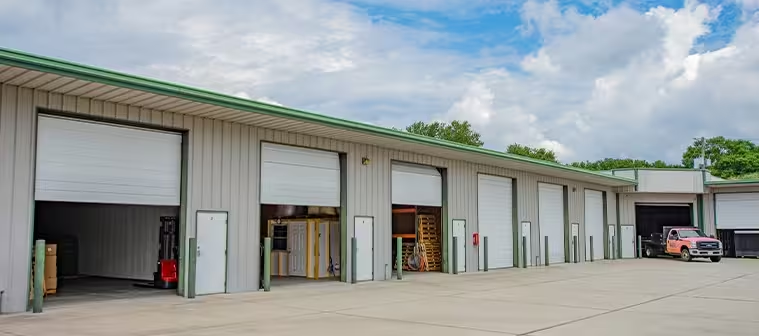
A well-organized storage bay allows teams to prepare vehicles based on each day’s schedule. Materials for upcoming jobs can be staged ahead of time, while equipment not currently needed remains in its assigned place.
This can help reduce morning delays and keep work vehicles focused on the current job rather than serving as permanent storage.
Develop a Consistent Return Process
Storage systems become less effective when employees do not follow the same routine.
Establish a clear process for what should happen when tools, equipment, or materials are returned. Employees may need to:
- Return items to their labeled location
- Report damaged or missing equipment
- Recharge batteries
- Record materials that were used
- Separate items that need cleaning or repair
- Prepare supplies for the next workday
The process should be easy to understand and realistic for the team to follow. A complicated system is more likely to be ignored, especially at the end of a busy day.
Consistency is what turns an organized storage space into a reliable part of the operation.
Review the Setup as the Business Grows
A storage system that works for a small operation may not continue working as the business adds employees, equipment, or inventory.
Review the setup regularly and look for signs that the business has outgrown it. Crowded shelves, blocked access areas, overloaded vehicles, and supplies spread across multiple locations may indicate that more space or a different layout is needed.
Storage should support growth rather than become a barrier to it.
A flexible storage solution gives businesses room to adjust their organization as their needs change. This can be more practical than continuing to fit a growing operation into a garage or moving directly into a large traditional warehouse.
Better Storage Supports Better Business Operations
Efficient businesses rely on systems that make everyday work easier. Storage is one of those systems.
When tools, equipment, materials, and inventory have a clear place, employees can prepare faster, purchasing becomes easier to manage, and business owners gain better visibility into their operations.
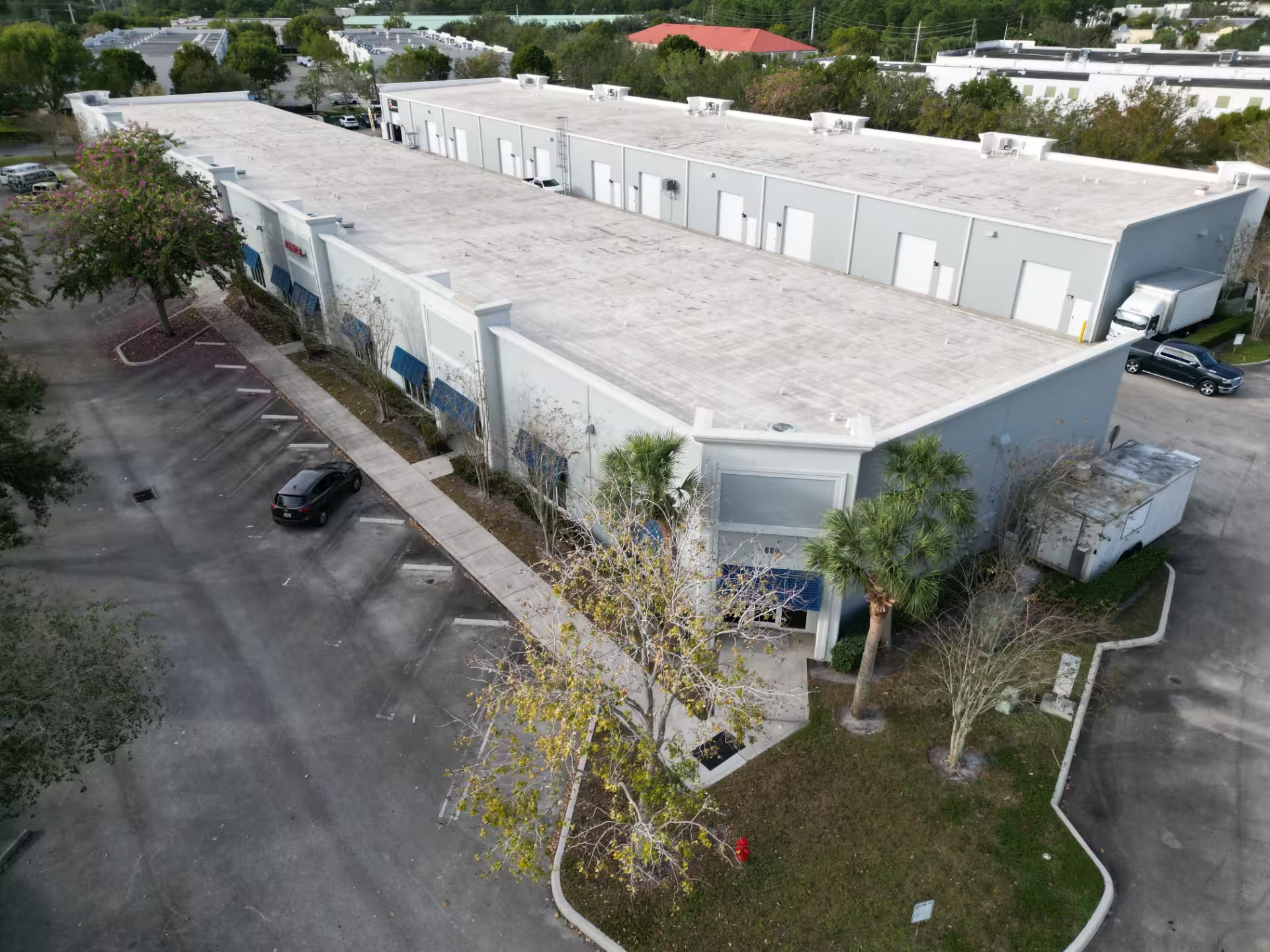
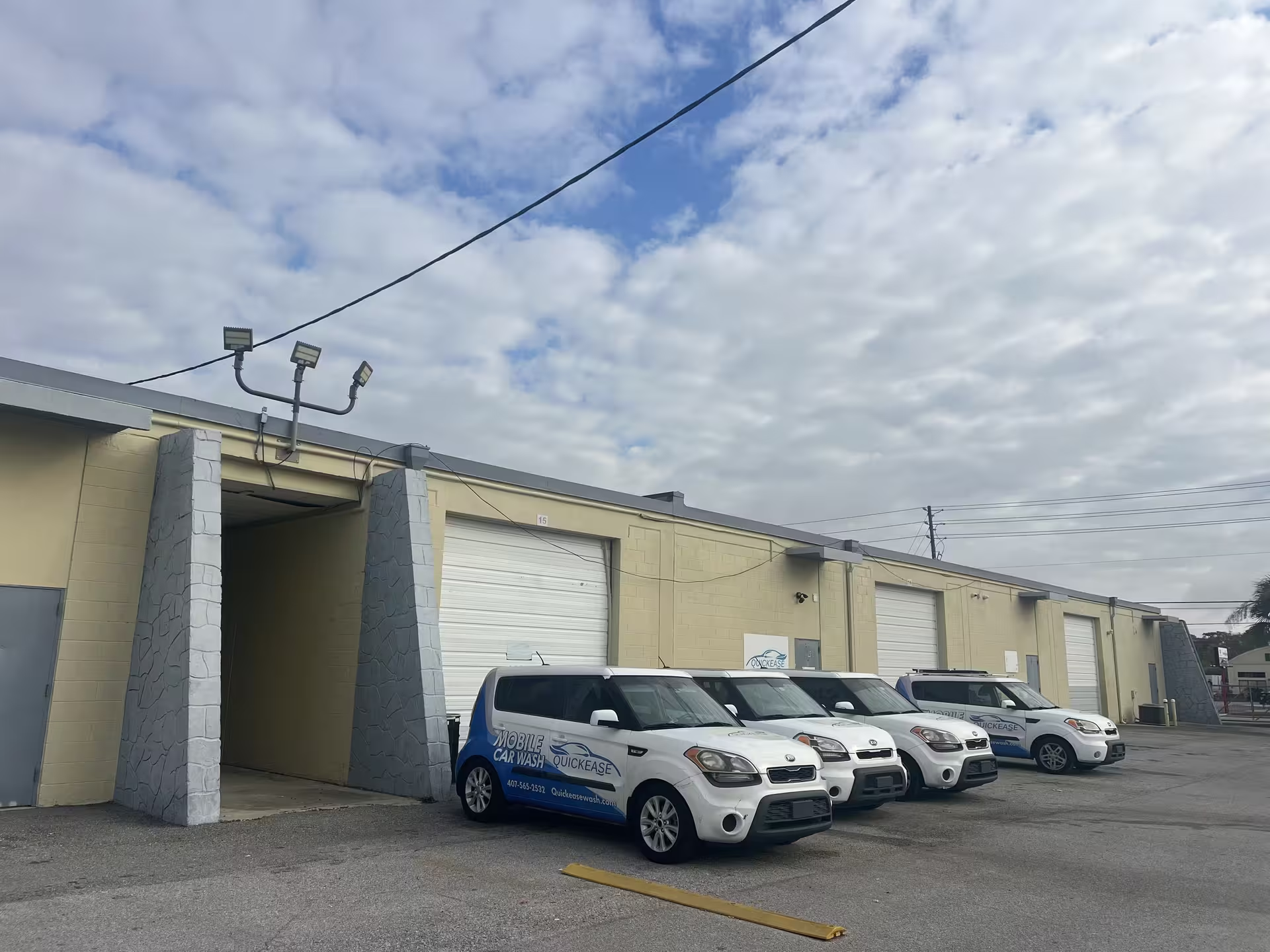
Clear Bay Business Centers offers flexible storage bays for contractors, service providers, entrepreneurs, and growing businesses. If your current storage setup is slowing down the workday, explore our locations or contact our team to learn more about available space.