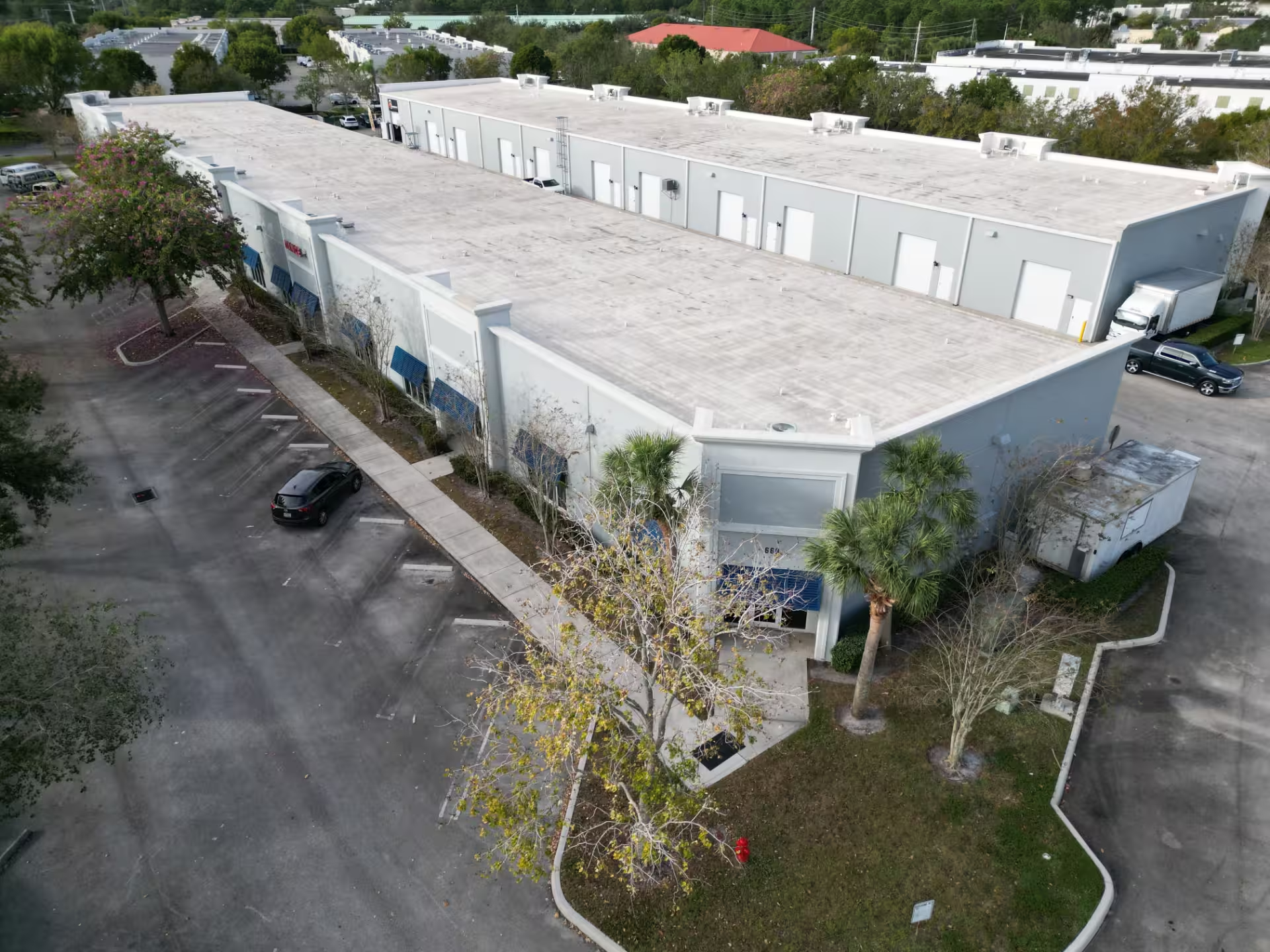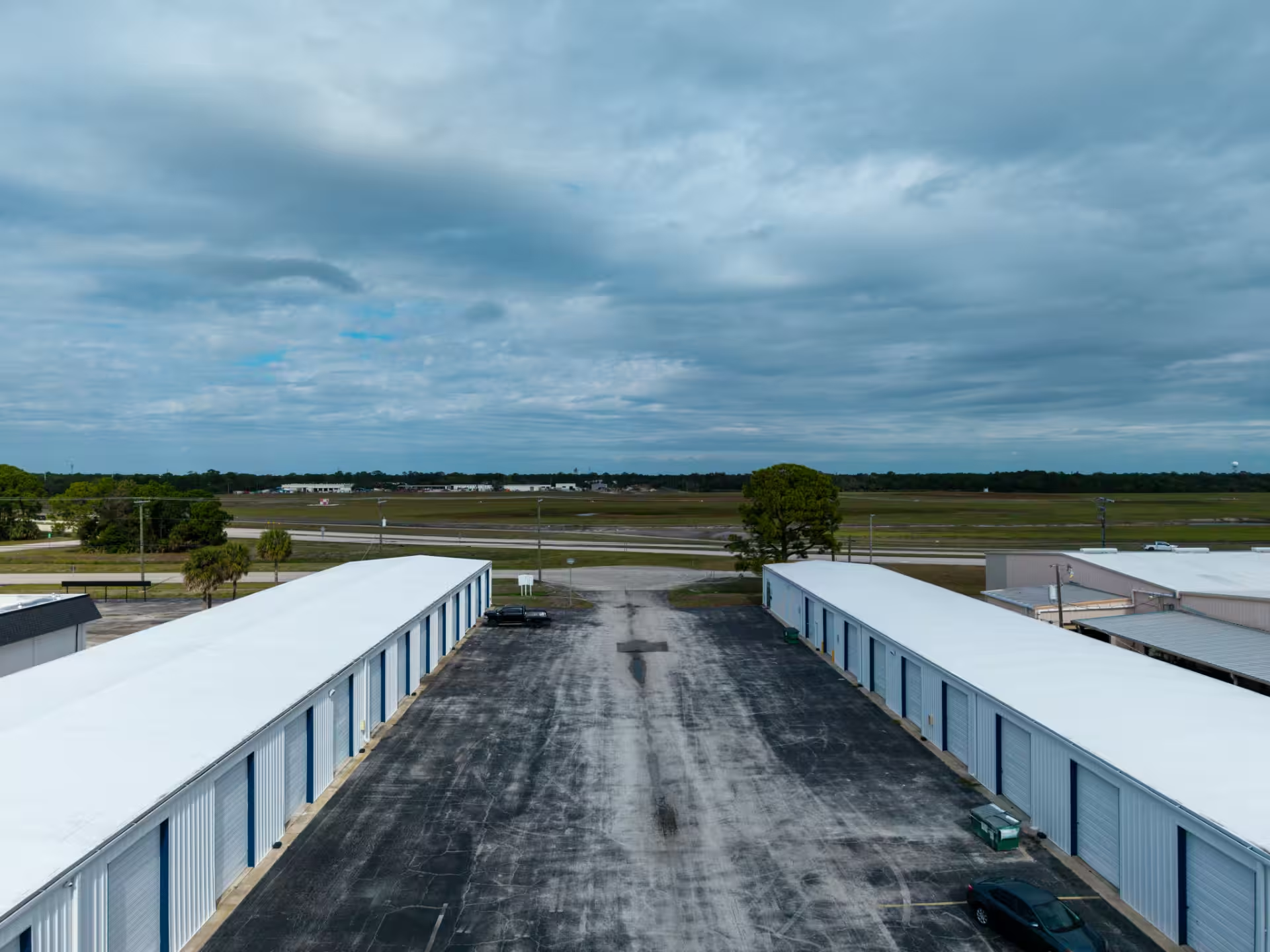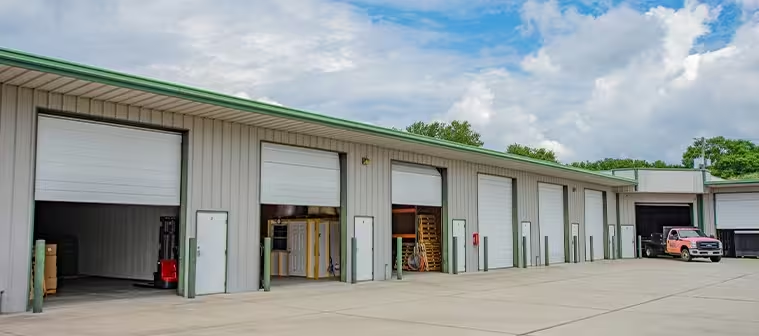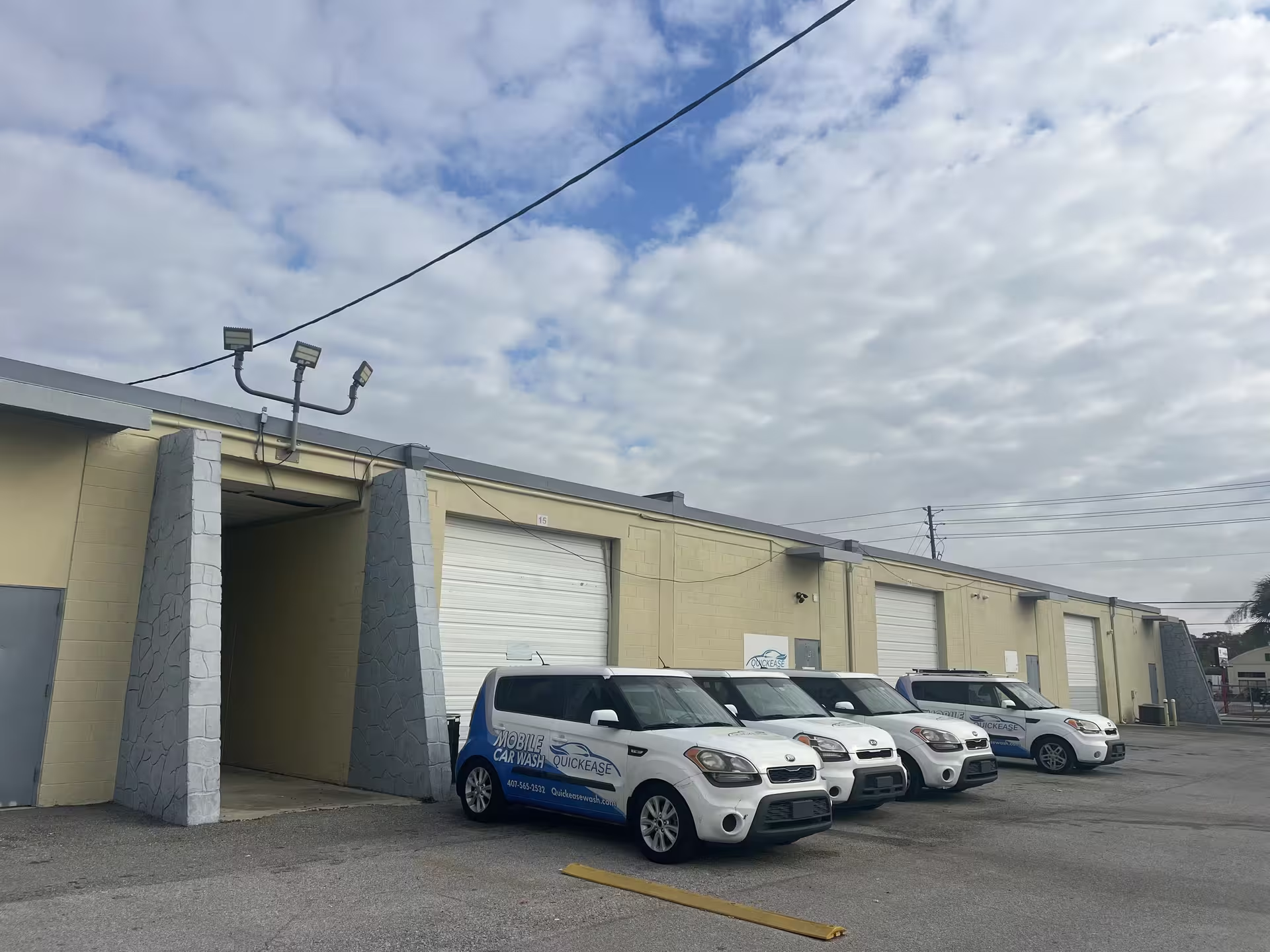

For contractors and small businesses, staying organized between job sites can be just as important as the work completed on-site.
Tools need to be returned, materials need to be sorted, vehicles need to be prepared for the next project, and leftover supplies need somewhere to go. Without a clear system, equipment can quickly become spread across trucks, garages, storage units, and active job sites.
That disorganization does more than create clutter. It can slow down crews, lead to duplicate purchases, and make it harder to know whether the right materials are available for an upcoming job. Creating a central storage and organization system can help your business move more efficiently from one project to the next.
Why Job Site Organization Matters
When crews move between several job sites, tools and materials are constantly changing hands. A piece of equipment may be used at one location in the morning, returned to a truck in the afternoon, and needed at a different project the next day.
Without a consistent process, it becomes easy for items to be left behind, placed in the wrong vehicle, or stored somewhere employees cannot quickly access them.
Poor organization can result in:
- Delays at the beginning of the workday
- Extra trips to retrieve missing equipment
- Materials being purchased more than once
- Tools becoming lost or damaged
- Vehicles carrying supplies that are not needed
- Uncertainty about what is available for future projects
A reliable organization system helps your team know where equipment belongs, what is currently in use, and what needs to be prepared for the next job.
Create a Central Location for Equipment and Materials
One of the most effective ways to improve organization is to keep business equipment and materials in one central location.
Operating entirely out of work vehicles may seem convenient, but it often leads to crowded trucks and inconsistent storage. Garages can create similar challenges, especially as a business adds more tools, employees, or inventory.
Read more about 4 signs your business has outgrown garage storage.
A dedicated storage bay gives contractors a reliable place to return equipment after each job. Instead of deciding where to put items at the end of every day, crews can follow the same process each time.
This central location can serve as the connection between job sites. Equipment comes back, gets inspected and organized, and is then prepared for the next project.
Organize the Space Around Your Workflow
An effective storage system should reflect how your business actually works.
Start by grouping tools, equipment, and materials based on when and how they are used. Frequently used items should be easy to access, while seasonal equipment and extra inventory can be stored farther from the main loading area.
You may want to create separate areas for:
- Everyday tools and equipment
- Materials assigned to upcoming jobs
- Leftover supplies from completed projects
- Items that need maintenance or repair
- Safety equipment
- Seasonal or specialty tools
Clear labels and designated shelving can make it easier for employees to return items to the correct place. The goal is to create a setup that crews can understand quickly without needing to ask where something belongs.
Prepare Materials by Project
Keeping all materials together may appear organized, but it can create confusion when several jobs are underway at once. Consider assigning a specific section, shelf, rack, or marked floor area to each active project. Materials can then be grouped according to the job site where they will be used.
This approach makes it easier to see whether a project is fully stocked before a crew leaves. It also reduces the risk that materials purchased for one customer are accidentally taken to another location. As jobs are completed, unused materials can be reviewed and either returned to general inventory or assigned to a future project.
Use a Check-In and Check-Out Process
You do not need a complicated inventory platform to keep track of equipment. Even a simple check-in and check-out process can provide more visibility into where important tools are located.
Depending on the size of the business, this might include:
- A shared spreadsheet
- A mobile inventory app
- A whiteboard inside the storage bay
- A sign-out sheet for higher-value equipment
- Labels or identification numbers assigned to tools
Employees should record when equipment is taken, where it is going, and when it is returned. This is particularly useful for tools shared across multiple crews.
The system matters less than consistency. Choose a process your team will realistically use every day.
Inspect Equipment Before the Next Job
A tool being returned does not always mean it is ready to be used again.
Build a quick inspection into the return process. Employees should check for damage, missing parts, low batteries, or maintenance needs before returning equipment to its assigned area.
Items that need attention should be separated from equipment that is ready for use. A clearly marked repair or maintenance section can prevent a damaged tool from being loaded for another job by mistake.
Regular inspections can also help the business identify smaller maintenance problems before they lead to equipment failure on-site.
Keep Work Vehicles Focused on the Current Job
Work vehicles are more efficient when they carry what a crew needs for the current project, rather than acting as permanent storage. When trucks and vans become overloaded, employees may have trouble finding tools, materials can become damaged, and vehicles may carry unnecessary weight from one job to another.
A storage bay allows crews to unload equipment that is not currently needed. Vehicles can then be stocked according to the next day’s schedule. This creates a more organized loading process and helps ensure each crew leaves with the appropriate tools and materials.
Read more about the differences between a commercial storage bay and self-storage.
Review Inventory Regularly
Even a well-organized storage space can become cluttered without regular upkeep. Set aside time to review inventory and remove items that are broken, outdated, or unlikely to be used again. Leftover materials should be sorted so employees can find and reuse them instead of purchasing additional supplies unnecessarily.
Regular inventory reviews also help business owners understand what they have, what they use most often, and what may need to be reordered. Depending on the size of the operation, this review could take place weekly, monthly, or at the end of each major project.
Build a Routine Your Team Can Follow
The most effective organization system is one that becomes part of the daily routine.
Employees should know what is expected when they return from a job site. That may include unloading certain equipment, returning tools to labeled areas, recording damaged items, charging batteries, and preparing materials for the following day. A consistent end-of-day process helps prevent disorganization from carrying over into the next morning. It also makes it easier for crews to begin work without unnecessary delays.
Give Your Business a More Organized Home Base
Contractors and small businesses often need more than a place to leave equipment. They need a dependable home base that supports the way their crews move between projects.
A storage bay can provide a central location for tools, materials, inventory, and job preparation. With the right setup, it can help your business reduce wasted time, keep vehicles organized, and move more smoothly from one job site to the next.
Clear Bay Business Centers offers flexible storage bays for contractors, service providers, and growing businesses. Explore our locations or contact the Clear Bay team to learn more about current availability.