
When a small business starts running out of space, self-storage is often the first solution that comes to mind. It’s widely available, relatively affordable, and easy to rent. For some situations, it works perfectly well.
But as a business grows, storage needs tend to become more complicated. Equipment, inventory, tools, and materials aren’t just being stored; they’re being used every day. That’s where the difference between self-storage and a storage bay becomes important.
While both provide extra space, they serve very different purposes.
Understanding Commercial Storage Bays
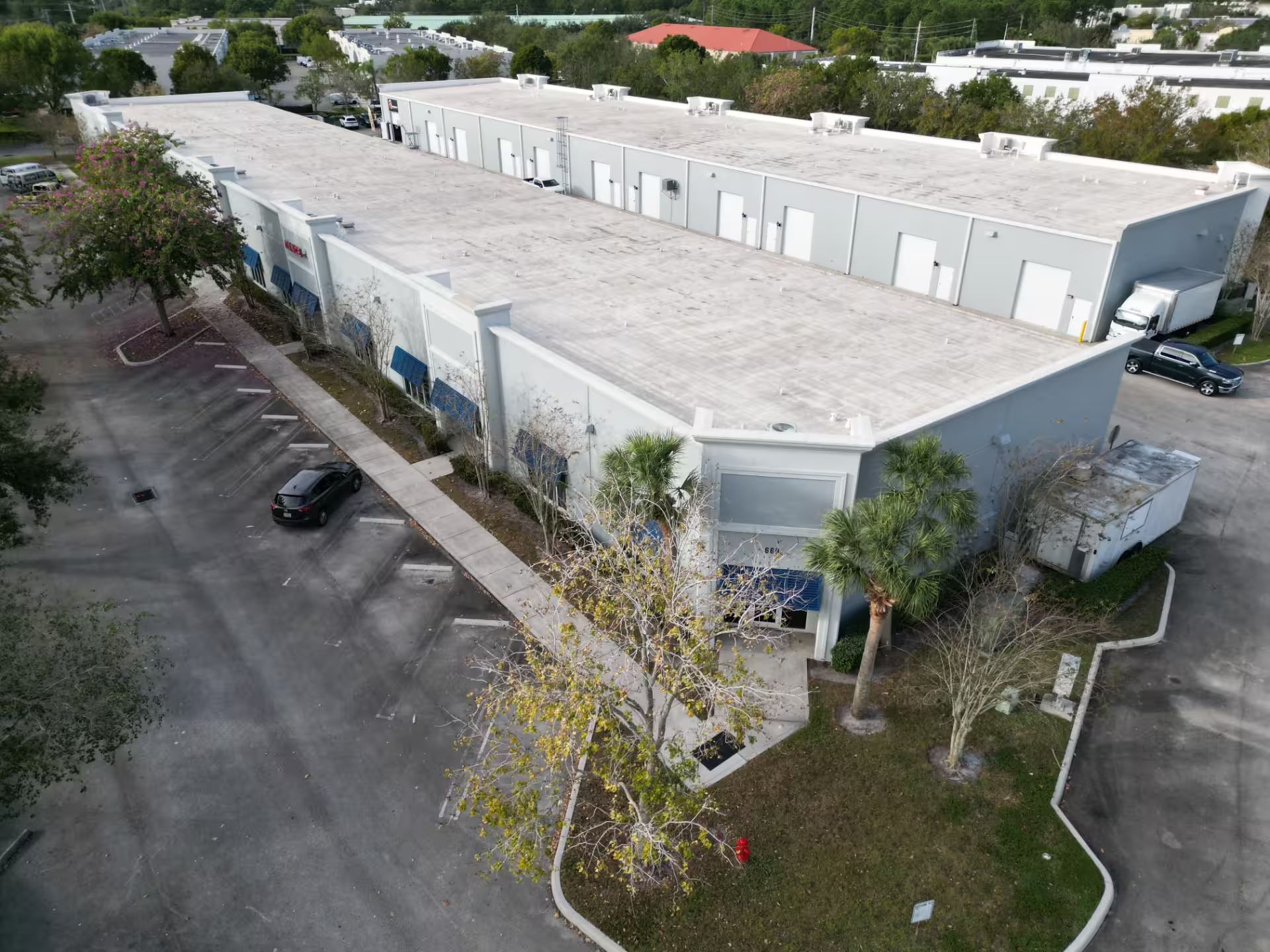
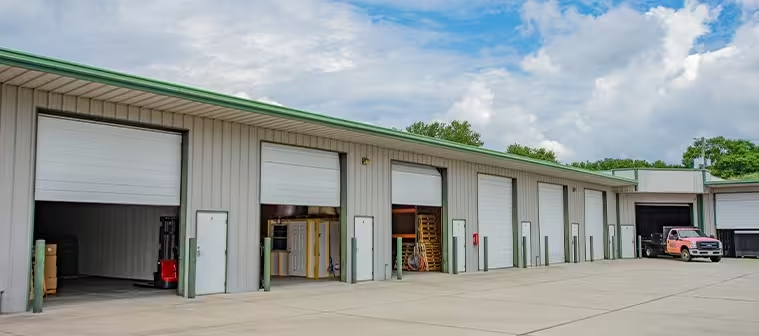
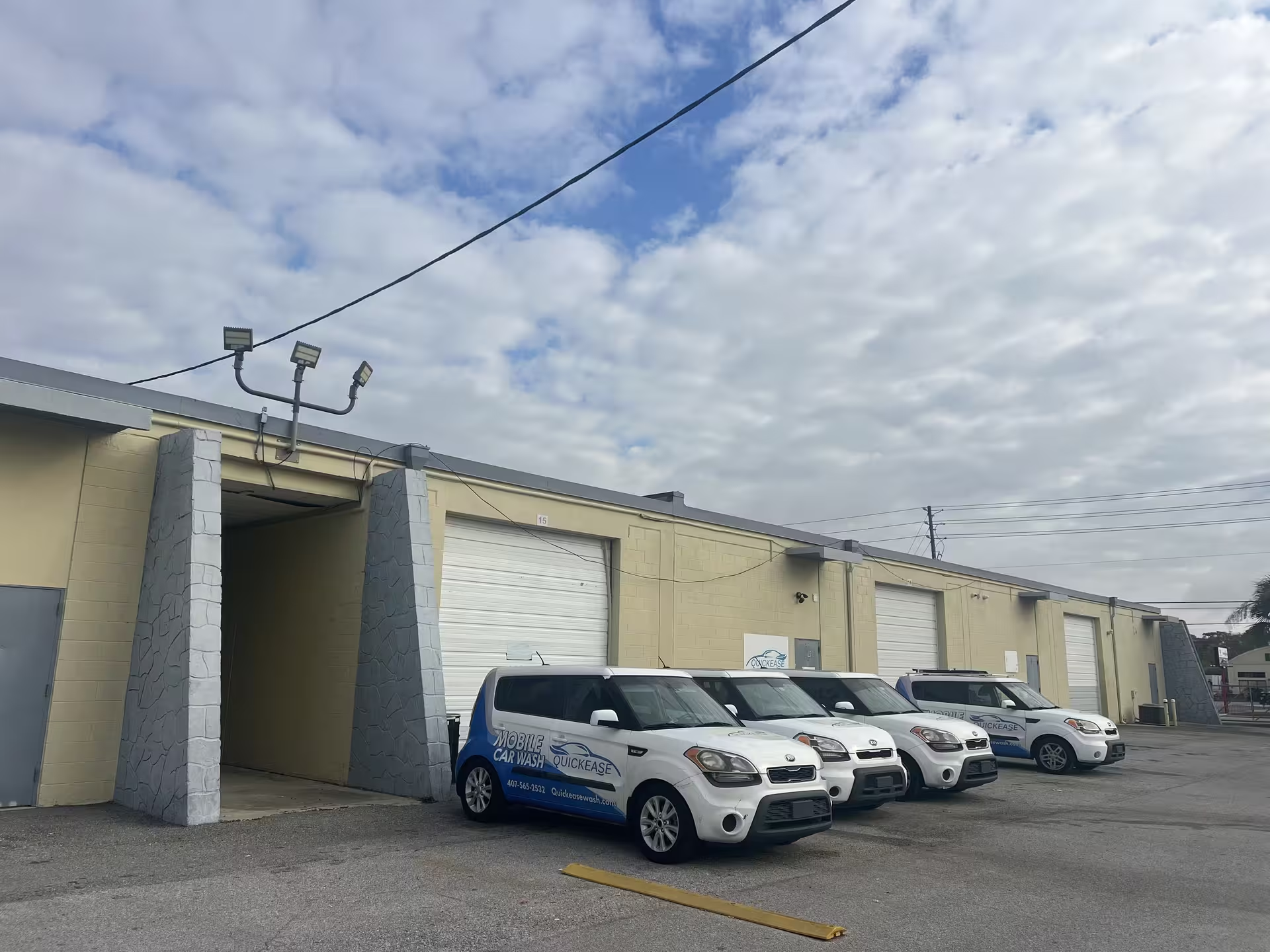
A commercial storage bay is a flexible space designed to support day-to-day business operations. Instead of simply storing items out of sight, businesses use commercial storage bays as an active part of their workflow.
For many small businesses, a commercial storage bay becomes a central place to keep equipment organized, manage inventory, prepare for upcoming jobs, or store materials between projects. The space is meant to be accessed regularly, often daily.
Contractors, service businesses, and growing companies frequently choose storage bays because they need more than a place to put things. They need a space that helps them work more efficiently.
Check availability for our storage bays in Florida near Melbourne, FL, Port St. Lucie, FL, Winter Haven, FL, or Winter Park, FL.
What Is Self-Storage Designed For?
People commonly rent self-storage units when they’re moving, downsizing, renovating a home, or storing seasonal belongings. Businesses sometimes use self-storage as well, particularly when they need temporary overflow space.
The key difference is that self-storage is generally intended for storing items rather than supporting ongoing operations.
If you’re only accessing your belongings occasionally, a self-storage unit may be all you need. But if you’re in and out every day, the limitations of self-storage become more noticeable.
The Biggest Differences between Commercial Storage Bays and Self Storage
The most significant difference comes down to how the space is used.
A self-storage unit is typically a place to keep items until you need them. A commercial storage bay is often part of a business’s daily routine.
For example, an HVAC company might store equipment, replacement parts, and materials in a commercial storage bay. Crews can pick up what they need in the morning and return unused materials at the end of the day. The space supports the operation itself.
A self-storage unit can hold those same items, but it isn’t necessarily designed around the needs of an active business.
Storage bays are often a good fit for businesses that need space for:
- Tools and equipment
- Inventory and supplies
- Contractor materials
- E-commerce products
- Light operational activities
- Business records and equipment
The goal isn’t simply storage. It’s creating a space that helps keep operations organized.
When Self-Storage Starts Falling Short
Many businesses begin in a garage, spare room, or self-storage unit. There’s nothing wrong with that. In fact, it’s often a practical way to get started.
Over time, though, growth creates new challenges.
Inventory starts taking up more room. Equipment ends up spread across multiple locations. Employees spend extra time searching for materials or making trips between job sites and storage facilities.
At that point, the issue is no longer just storage capacity. It’s efficiency.
When space begins to slow operations down rather than support them, it may be time to consider a different solution.
Who Typically Uses Commercial Storage Bays?
Storage bays tend to appeal to small businesses that need regular access to their equipment, inventory, or materials.
Some of the businesses that commonly use storage bays include:
- General contractors
- Electricians
- Plumbers
- HVAC companies
- Landscapers
- Cleaning and restoration companies
- E-commerce businesses
- Small business owners managing inventory
These businesses often need a dependable place to organize their operations without taking on the expense of a large warehouse.
Choosing the Right Option
If you’re storing items long-term and only need occasional access, self-storage may be a practical option. But if your business relies on regular access to tools, inventory, materials, or equipment, a storage bay may be a better fit for the way you work.
Clear Bay Business Centers offers flexible storage bays designed for small businesses, contractors, and service providers that need practical space to stay organized. If your current setup is starting to slow you down, now may be the right time to look at available options.
Contact us today to find a storage bay that fits your business needs.